
Wedding Day Timeline for Photography and Film

Updated: Jul 31
A wedding photography timeline should protect the wedding rather than turn it into a list of photographs. It gives the couple, venue and suppliers one shared structure, while leaving enough space for delays, conversations and moments that cannot be scheduled.
The most useful timeline begins with fixed points such as the ceremony, dinner and venue limits. Photography and film then fit around those anchors. If the plan starts with an ideal shot list and ignores travel, hair and makeup, guest movement or sunset, the day will feel rushed even when every item looks possible on paper.
This guide covers a full wedding day from getting ready to the party. For a smaller civil ceremony, my Berlin Standesamt wedding timeline guide gives a more specific structure.
Begin with the events that cannot move
The ceremony start, dinner service, venue curfew and supplier access times usually shape the rest of the wedding photography timeline. Write those down first. Add travel between addresses, parking and the time needed for guests to take seats.
Ask the officiant, registry office or church for the realistic ceremony duration rather than estimating from a generic template. A civil ceremony, free ceremony and religious service can have very different structures. Cultural elements, live music and translations can also extend the programme.
Dinner timing matters because a kitchen works to a service plan. Moving portraits into dinner at the last minute can affect food and staff. If sunset falls near dinner, decide in advance whether a short portrait window can happen between courses, before guests sit down or after the main meal.
The timeline should name one coordinator or trusted contact who can make decisions without interrupting the couple for every small question.
Build getting ready backwards from departure
Getting ready should be timed from the moment each person must leave, not from an arbitrary photography start. Work backwards through dressing, final hair and makeup, a short buffer and the travel time to the ceremony.
If you want photographs of the final preparation, the room should be mostly ready before the photo and film team arrives. Bags, packaging and food do not need to disappear completely, but one clear area near a window makes the coverage calmer.
Allow enough time for people to get dressed without performing each step for the camera. Documentary images are more useful when the preparation is genuinely happening. A few details can be photographed, but rings, invitations and clothing should not delay departure.
When two people are getting ready at different addresses, the schedule must account for the distance and the size of the team. One photographer cannot be in both places at the same time. Decide which preparations matter most or whether a second photographer is part of the plan.
Decide whether a first look solves a real problem
A first look can reduce the number of formal photographs needed after the ceremony. It may allow couple portraits, wedding-party photos or some family combinations to happen before guests arrive. That can create a more open reception.
It is not required. Some couples prefer to see each other for the first time during the ceremony, and the timeline can support that choice. In this case, keep the post-ceremony group list concise and use another small portrait window later.
If you plan a first look, choose a private location close to the ceremony and include the walking time. A ten-minute first look can require a longer block once movement, positioning and a few quiet minutes are included.
The decision should come from how you want the day to feel, not from pressure to complete photographs early.
Protect the ceremony from supplier movement
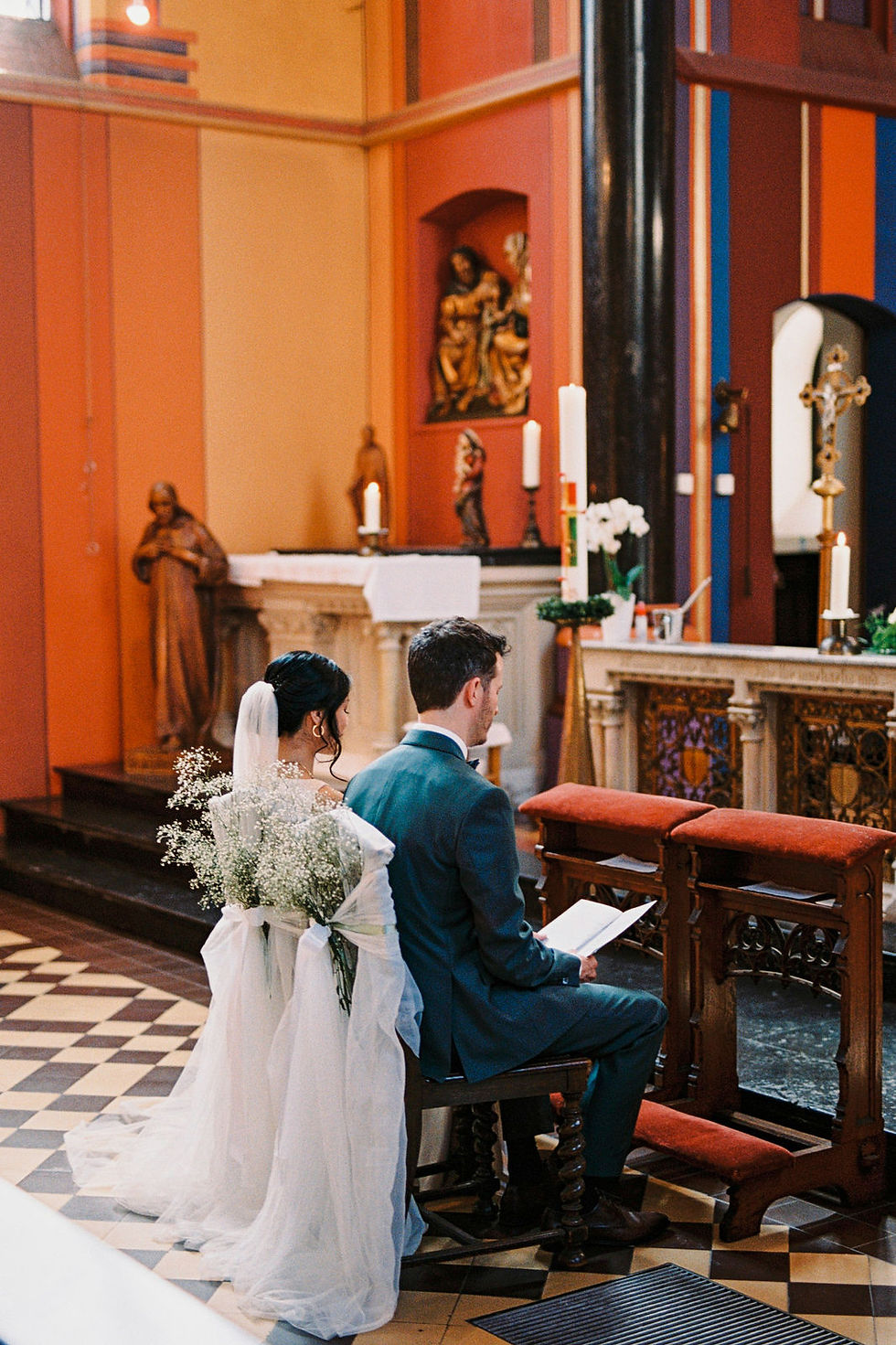
Photo and film teams need to know the ceremony structure before it begins. Share entrances, readings, cultural rituals, music, signing and any restrictions on movement. This allows positions and audio to be prepared without unnecessary activity during the service.
For a free ceremony flow, confirm whether the couple enters separately, where speakers stand and whether guests will move for any ritual. If there is a microphone or sound system, the film team should coordinate with the person responsible for audio.
Do not schedule the team's arrival at the ceremony for the same minute as the guests. Equipment, sound and camera positions need to be ready before the entrance. A buffer also protects against traffic and parking delays.
After the ceremony, leave space for congratulations. Guests will not move directly into a perfect group formation, and they should not have to. Those greetings are part of the wedding, not wasted time between scheduled photographs.
Keep the family list short and assign a helper
Family group photos move fastest when the list is written before the wedding and one helper knows the people involved. The photographer cannot identify extended relatives by sight.
Start with the largest or least mobile group, then release people as the combinations become smaller. Use names rather than broad labels such as “all family”, which different people may interpret differently.
A short list of important combinations is more reliable than dozens of variations. Informal photographs with other guests can happen throughout the reception. The formal list should cover the groups that would be difficult to recreate naturally.
Choose a location close to the congratulations or reception. Moving a large group across a property often takes longer than the photographs themselves.
Split couple portraits into small sessions
One long couple shoot is not the only way to build a varied gallery. A short session after the ceremony, another near the best evening light and one brief indoor or night portrait can fit more naturally around the wedding.
This approach also works better with uncertain weather. If one window disappears, the whole portrait plan does not fail. My guide to wedding photos in rain explains how to keep those options close to the venue.
The exact time depends on season and location. Summer sunset in Germany can be very late, while winter light can disappear before dinner. Check the date and location rather than copying a sample timeline from another country or month. My season and daylight guide provides the wider planning context.
Portrait time should not remove you from your guests for a large part of the reception. A nearby location and a clear return time usually matter more than a famous background.
Give photo and film the same master timeline
Photography and film should work from one schedule. Separate versions create confusion about entrances, speeches and portrait times. The master timeline can include technical notes, but guests and the couple should not need to manage those details.
The film team may need earlier access for audio and additional setup. The photographer may need a short clear period for family groups. Those requirements should be discussed together rather than added independently at the last moment.
If photo and film come from different suppliers, introduce them before the wedding and share contact details. Clarify who leads any short guided portrait sequence and how both teams will avoid blocking the same angle during key moments.
For combined planning, see my Berlin wedding photography and Berlin wedding film services to understand how both teams can stay unobtrusive while protecting the moments that need preparation.
Put buffers before the moments that matter
A buffer is most useful before the ceremony, before dinner and around any transfer. Adding all spare time at the end of the evening does not help when hair and makeup runs late at midday.
Buffers do not need to appear as empty waiting. They can absorb greetings, bathroom breaks, finding a bouquet or a slow lift. If everything runs on time, the couple gains a quiet moment instead of another task.
Travel should include loading people and belongings, not only driving. Large dresses, children, older relatives and city parking all affect movement. For venues with several buildings, walk the route before finalising the schedule.
Avoid planning every five minutes for the whole day. Use exact times for fixed events and broader windows for documentary parts such as reception, dinner and dancing.
A flexible sample timeline for a full wedding day
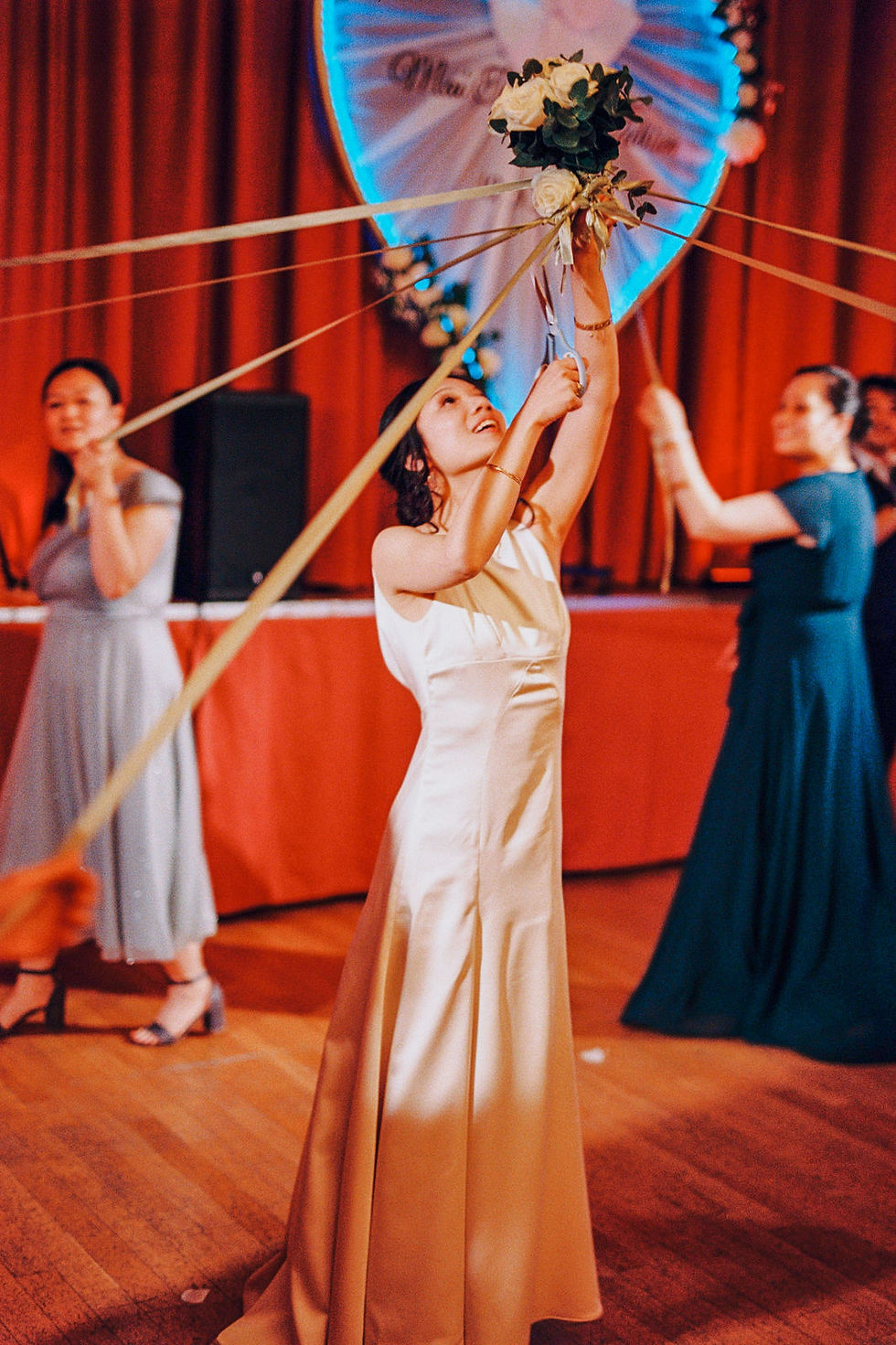
The following structure is an example, not a universal schedule. It assumes getting ready, ceremony and reception are relatively close, with dinner in the early evening:
12:30 Photo and film arrive for the final part of getting ready.
14:00 Dressing is complete; short portraits and departure preparation.
14:30 Team travels and prepares at the ceremony location.
15:00 Guests are seated; ceremony begins.
15:45 Congratulations and unhurried greetings.
16:15 Large group and concise family combinations.
16:45 Reception with documentary coverage; short couple portraits if useful.
18:00 Guests move toward dinner; couple returns and freshens up.
18:30 Dinner and speeches according to the catering plan.
20:30 Ten to twenty minutes of evening portraits when season and weather allow.
21:00 Cake, first dance or planned evening events.
21:30 onward Open party coverage.
If your ceremony begins later, the whole plan does not simply shift. Sunset, dinner, venue limits and the desired end of coverage may require a different structure. Build from your actual anchors.
Match coverage hours to the story you want
Coverage time should be chosen after the draft timeline exists. Decide which part of the day matters at the beginning and where the visual story should end.
If getting ready is important, coverage needs to begin before dressing is finished. If the priority is the party, protect enough time after the first dance for genuine dance-floor images rather than ending immediately after formal events.
Do not assume a fixed number of hours includes the same content at every wedding. Travel between locations, ceremony length and dinner service can use significant time. Compare packages using the real schedule, not only the total number.
Frequently asked wedding timeline questions
How much buffer should a wedding timeline include?
Add buffers where delays would affect a fixed event: before the ceremony, around transfers and before dinner. The exact amount depends on distance, guest count and venue layout.
How long should family photos take?
The time depends more on the number of combinations and organisation than on camera work. A concise list and one helper who knows the family make the process much faster.
Do we need a first look for a good timeline?
No. It can move some portraits before the ceremony, but a timeline without a first look can still work well when post-ceremony groups are limited and portraits are split into short sessions.
When should golden-hour portraits happen?
Check sunset for the exact date and location. Keep a short flexible window around the best light without delaying dinner or promising clear weather.
Should the photographer create the whole wedding schedule?
The photographer should advise on coverage, light, group photos and transitions. The final master timeline should also include the venue, catering, planner, ceremony and film requirements.
When should photo and film arrive at the ceremony?
They should arrive with enough time to park, prepare positions and set up audio before guests are seated and the entrance begins.
A good timeline creates space, not pressure
A wedding photography timeline works when it protects fixed events, includes realistic movement and leaves unscheduled space for people. Start with the ceremony and dinner, build preparation backwards, keep family groups concise and divide portraits into short useful windows.
The result should be clear enough for every supplier and simple enough that the couple does not spend the wedding checking the clock.
Tung is the photographer and filmmaker behind Maii Studio. He is Vietnamese, has lived in Germany for around ten years and works in English, German and Vietnamese. Based in Magdeburg and expanding his focus to Berlin, he documents weddings across Germany in an unposed, honest and timeless style.


Comments