
Berlin Civil Wedding Photography Timeline: Standesamt Guide

Updated: Jul 21
When I plan a Berlin civil wedding photography timeline, I look beyond the minutes inside the ceremony room. The nervous arrival, greetings outside, the legal words, the first congratulations and a short walk together can turn a brief Standesamt appointment into a complete record of the day.
The useful question is not only how long the ceremony lasts, but which parts of the experience you want to remember. For many couples, a calm two-hour structure is enough for natural Berlin Standesamt wedding photos: arrive before the appointment, document the ceremony, leave room for family photographs and finish with relaxed portraits nearby.
Start the coverage before the ceremony begins
I usually begin civil wedding coverage before you enter the room. Fifteen to thirty minutes gives everyone time to arrive without the photography feeling rushed. It also captures the part of the day that is easy to forget later: holding the documents, checking the rings, seeing parents or friends arrive and waiting for your names to be called.
This does not need to become a staged getting-ready session. A Standesamt wedding often feels intimate precisely because very little is produced. I work in a documentary way, so the aim is to observe that nervous energy without turning the waiting area into a photo set.
If you plan a first look, arrange it away from the main entrance and allow enough time to reach the appointment calmly. If you arrive together, the walk to the building can do the same job. Both choices work; the better one is the one that feels natural to you.
Inside the Standesamt, the important moments happen once
A ceremony room gives a photographer limited space and little control over the light. The registrar, the couple and the guests all need clear sightlines, and the legal sequence cannot be repeated for the camera. One quiet position is usually better than constant movement that distracts from the ceremony.
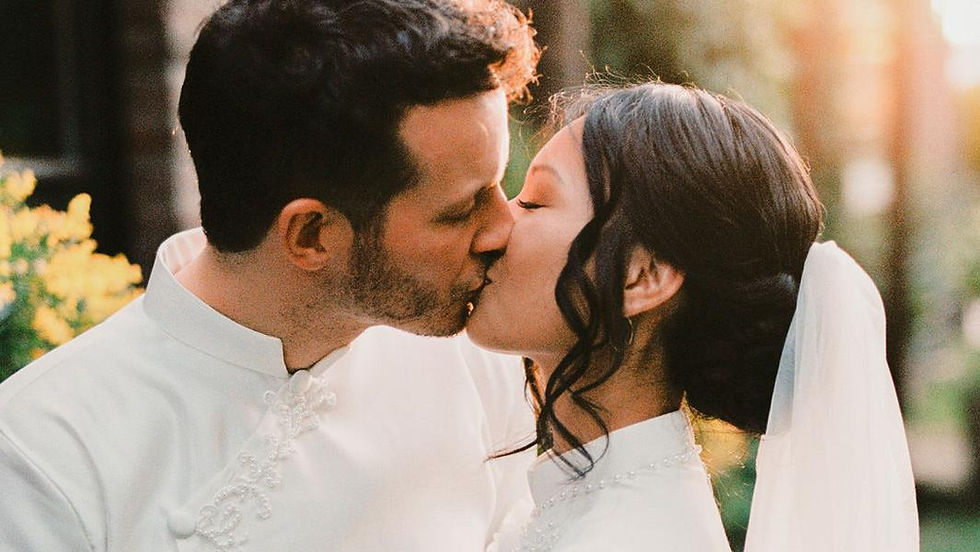
The essential photographs normally include the entrance, reactions during the registrar's words, the declaration of marriage, the rings if you exchange them, the signatures and the first moments after the formal part ends. The strongest image is not always the official action itself. A look between you, a parent's reaction or the release of tension immediately afterwards can say more about the ceremony.
Rules for photography can vary between rooms and districts. Ask your Standesamt whether photography and film are permitted, and pass any restrictions to your photographer before the day. That small check prevents discussion at the door when everyone should be settling in.
Leave space for congratulations instead of rushing to portraits

The first ten or fifteen minutes outside are often the emotional centre of a registry office wedding. Guests hug you, someone opens sparkling wine, phones come out and the formal appointment begins to feel like a celebration. These moments work best when they are allowed to happen rather than arranged in a line.
If your guests are planning confetti, flower petals or another exit, confirm what the venue permits and choose one person to coordinate it. The photographer can then concentrate on timing and reactions instead of organising the group.
Only after the first congratulations would I move into formal family photographs. This keeps the transition natural and avoids pulling you away from people the moment you step outside.
Keep family photographs short and organised
Family groups are valuable, but they can consume most of a short booking if nobody knows who is needed. Keep the list concise, begin with the largest group and release people as the groups become smaller.
A practical list might include everyone together, each side of the immediate family, parents, siblings, witnesses and close friends. One guest who knows both families can call the next group while the photographer keeps the composition and light consistent.
For most small ceremonies, fifteen to twenty minutes is sufficient when the list is agreed in advance. Ten deliberate groups are usually more useful than thirty combinations created on the spot.
Choose portrait locations by distance, not only appearance

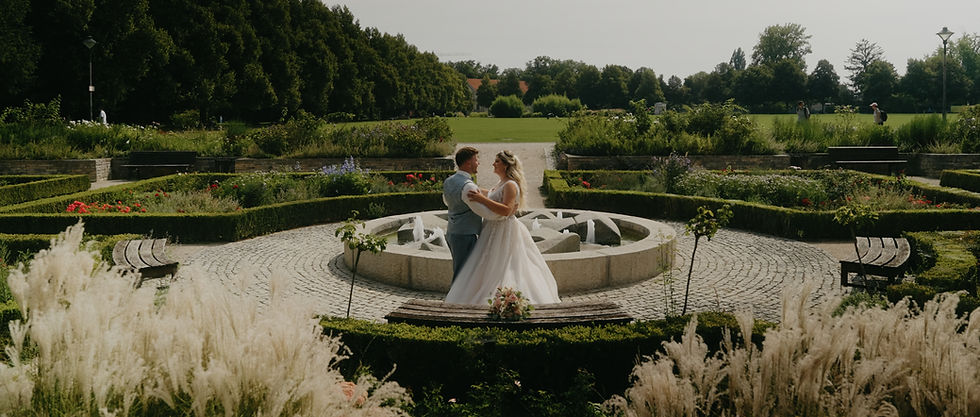
Couple portraits after a civil ceremony do not need a famous Berlin landmark. A courtyard, staircase, tree-lined street, riverside path or quiet park close to the Standesamt can produce a more relaxed result than crossing the city for one recognisable background.
Short travel protects the rhythm of the day. You spend less time in traffic, your guests wait less and the portrait session feels like a walk rather than another appointment. When comparing ceremony rooms, look at the surrounding area as well as the interior. Five useful locations within walking distance are more practical than one spectacular location forty minutes away.
Thirty to forty-five minutes is enough for a compact portrait session when the route is clear. If you want several neighbourhoods, an outfit change or portraits at a separate venue, include the travel time honestly in the booking.
For broader location planning, my Berlin wedding venues guide looks at settings and logistics beyond the civil ceremony.
A two-hour Berlin civil wedding photography timeline
A simple plan can look like this:
25 minutes before the ceremony: arrival, building details, greetings and quiet candid photographs.
15 to 30 minutes: the civil ceremony itself, depending on the Standesamt.
15 minutes after the ceremony: congratulations, an exit and a toast if planned.
15 to 20 minutes: organised family and witness photographs.
30 to 45 minutes: couple portraits within walking distance.
Treat this as a planning frame, not a promise about how every Standesamt works. Appointment lengths, access rules and guest limits can differ. A buffer of ten minutes is more valuable than filling every minute with another photo request.
International couples should separate paperwork from photo planning
The legal process and the photographic plan are connected, but they are not the same task. Berlin's official marriage service states that the responsible Standesamt must first check the requirements for marriage; after approval, the ceremony can take place at another registry office in Germany. With international involvement, the required documents depend on the individual case and should be clarified directly with the responsible office.
Do not rely on a photography blog as a legal checklist. Confirm the current requirements with Berlin's official services and keep certified translations, interpreter requirements and appointment deadlines in your administrative plan. Then build the photography timeline around the confirmed appointment.
Because I speak English, German and Vietnamese, communication with international and German-Vietnamese couples can stay direct during the photo planning. The legal advice, however, must always come from the relevant authority.
Plain rooms and bad weather do not ruin civil wedding photos
Not every ceremony room has large windows or historic details. In a simple room, the story shifts toward faces, hands and reactions. Documentary photography does not need to make the room look grander than it is; it needs to show what happened clearly and honestly.
Rain changes the route after the ceremony, so choose a covered alternative before the day. An arcade, sheltered entrance, hotel lobby or bright cafe can preserve the portrait time. Overcast light is often soft and even, which is useful for faces. The practical problem is usually keeping people dry, not the quality of the light.
If weather is important to your date decision, compare the available daylight and planning trade-offs for your exact month before fixing the portrait route.
Decide whether you want photographs, film or both
For a short Standesamt ceremony, sound can carry details that still images cannot: the registrar's words, your voices and the reactions after the declaration. Film is useful when those sounds matter to you, but it also needs enough room and permission inside the ceremony space.
Maii Studio offers photo and film from one coordinated team. For an intimate ceremony, the coverage should remain proportionate to the day rather than turning the room into a production.
Frequently asked questions
How much photography coverage is enough for a Berlin Standesamt wedding?
Around two hours is often enough for arrival, the ceremony, congratulations, family groups and a short portrait walk nearby. Add time when the reception or portrait location requires travel.
Do we need photographs before the ceremony?
You do not need a long session, but fifteen to thirty minutes before the appointment helps document the arrival, nerves, details and first greetings. It also protects the ceremony from delays.
Can we take couple portraits after a short civil ceremony?
Yes. Thirty to forty-five minutes can work well when the route is close to the Standesamt and chosen in advance.
What if our ceremony room is small or dark?
The photographer can prioritise expressions, hands and reactions while working from positions that do not obstruct the registrar or guests. Ask about photography rules before the day.
How long should family photographs take?
Plan roughly fifteen to twenty minutes for a concise list. Nominate one guest to gather each group so the process stays calm.
Can international couples marry at a Berlin Standesamt?
Yes, but the documents and procedure depend on the individual circumstances. Confirm the current requirements directly with your responsible Standesamt and use official Berlin guidance rather than a general blog checklist.
Plan a calm photographic story around the appointment
The best Berlin Standesamt wedding photos come from giving a short ceremony enough space around its edges. Arrive before the official start, protect the congratulations, organise only the family groups you value and choose a portrait route that does not consume the day.
If you want quiet, natural coverage of a civil ceremony, read more about how I photograph weddings in Berlin or tell me about your plans.
— Tung
About the author: Tung is the founder of Maii Studio, a wedding photographer and filmmaker based in Magdeburg with a growing focus on Berlin and assignments across Germany. Originally from Vietnam, he works in English, German and Vietnamese and documents weddings in an unposed, reportage-led style.

Comments